
The fifth generation of cellular network technology, or 5G, is revolutionizing the way people connect with each other and the world around them. It promises faster speeds, lower latency, and greater capacity than previous generations of wireless technology. While the benefits of 5G are clear, the impact it will have on various industries is still being explored. In this blog, we will discuss how 5G technology is poised to transform various industries, from healthcare to manufacturing and beyond.
Healthcare Industry

The healthcare industry is one of the industries that could benefit significantly from 5G technology. With its faster speed and lower latency, 5G can enhance the capabilities of telemedicine and remote patient monitoring. It can enable doctors and nurses to diagnose and treat patients remotely in real-time, improving patient care and reducing the risk of infections. 5G technology can also support the implementation of IoT devices, such as wearable sensors and health trackers, that can provide doctors with real-time patient data, resulting in more precise and personalized treatment plans.
Manufacturing Industry
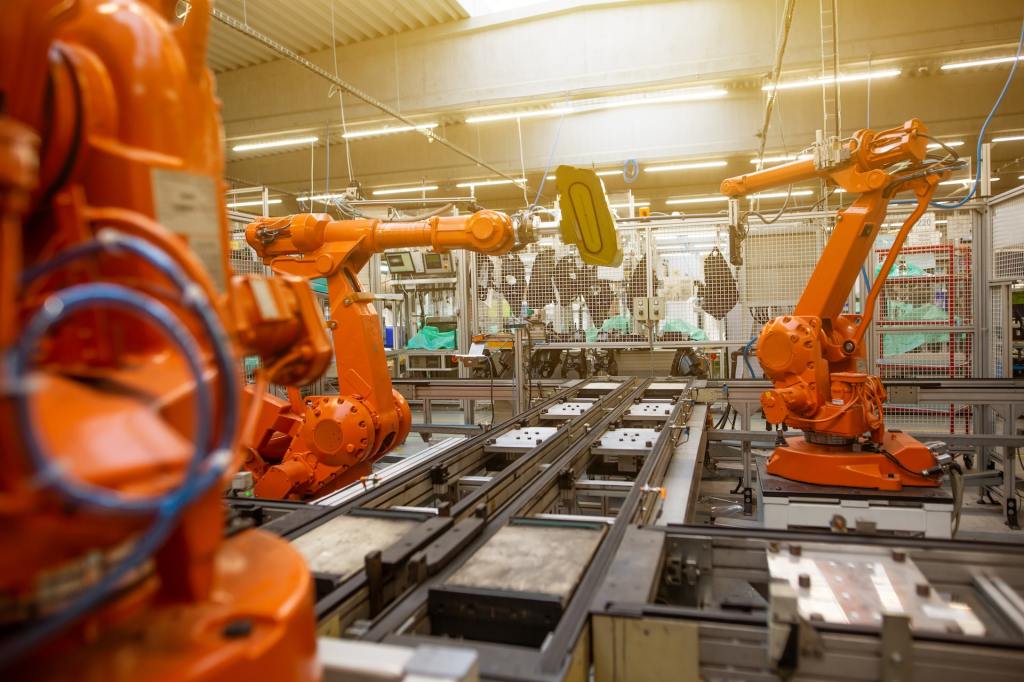
The manufacturing industry is another industry that could benefit from 5G technology. With its ability to support IoT and connected devices, 5G can enhance the efficiency and productivity of manufacturing processes. 5G can enable manufacturers to monitor and control their equipment and machinery remotely, reducing downtime and improving overall productivity. It can also support the implementation of real-time data analytics, which can help manufacturers optimize their operations and improve quality control.
Retail Industry

The retail industry is another industry that could benefit from 5G technology. With its high speed and low latency, 5G can provide customers with a more immersive and personalized shopping experience. For example, 5G can support the implementation of augmented reality and virtual reality technologies, allowing customers to try on clothes or see how furniture would look in their homes before making a purchase. 5G can also enable retailers to use real-time data analytics to optimize their inventory and improve their supply chain management.
Entertainment Industry

The entertainment industry is another industry that could benefit significantly from 5G technology. With its high speed and low latency, 5G can enable the implementation of new immersive technologies, such as virtual reality and augmented reality. 5G can also enhance the quality and availability of streaming services, making it easier for users to access and enjoy their favorite movies and TV shows from anywhere. Additionally, 5G can support the implementation of real-time data analytics, which can help entertainment companies better understand their audiences and create more personalized content.
Transportation Industry

The transportation industry is another industry that could benefit from 5G technology. With its low latency and high speed, 5G can enable the implementation of connected vehicle technologies, such as self-driving cars and trucks. 5G can also support the implementation of real-time traffic monitoring and management systems, which can help reduce congestion and improve the overall efficiency of transportation systems. Additionally, 5G can provide passengers with a more immersive and personalized travel experience, such as in-flight entertainment and augmented reality information during transit.
Conclusion
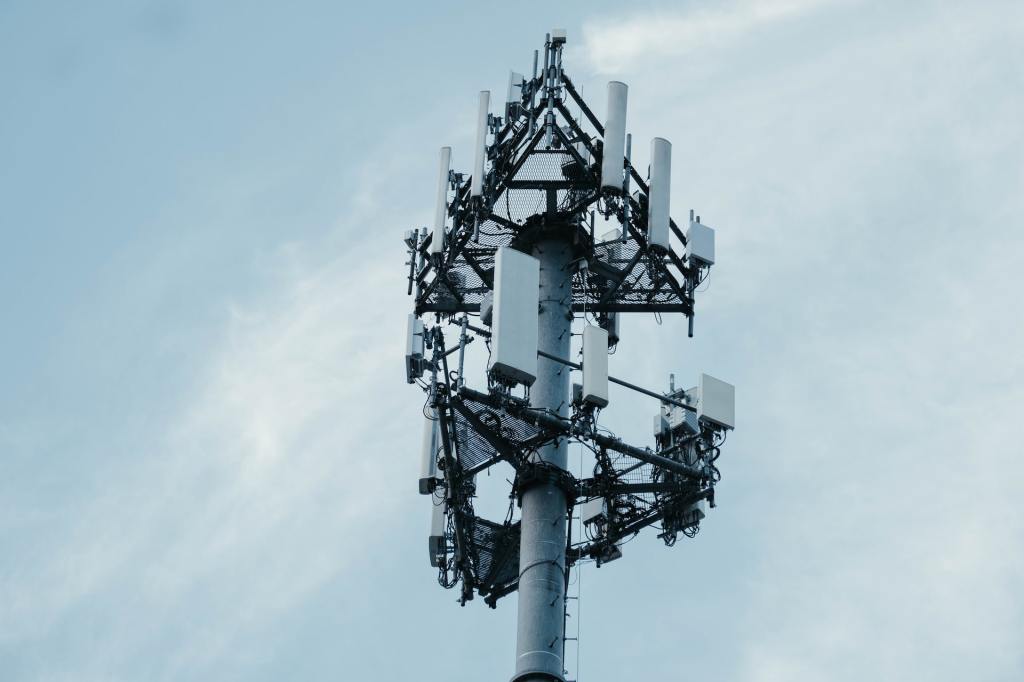
5G technology is poised to revolutionize various industries, from healthcare to manufacturing and beyond. Its faster speeds, lower latency, and greater capacity can enable the implementation of new technologies and solutions that can improve efficiency, productivity, and overall user experience. As 5G technology continues to evolve and expand, we can expect to see more significant impacts across industries and in the world around us.
 Right Way Tech
Leave a comment