
About 5g Network
5G is the fifth generation of cellular network technology, which is the successor to 4G (LTE). 5G is the fifth generation of mobile networks and is intended to provide faster and more reliable wireless communication compared to previous generations. It is designed to provide faster speeds, lower latency, and greater capacity compared to previous generations. The primary goal of 5G is to provide a more robust and efficient network that can support a vast array of connected devices and services, including smartphones, smart homes, autonomous vehicles, virtual reality, and the Internet of Things (IoT).
Where 5g Network launches First?
The first commercial 5G networks were launched in 2019 by various telecommunications companies around the world. Some of the early adopters and pioneers of 5G technology include South Korea’s SK Telecom, the United States’ Verizon, and China’s China Mobile.
In South Korea, SK Telecom was the first company to launch a commercial 5G network in April 2019, making it one of the first countries in the world to have a nationwide 5G network.
In the United States, Verizon was among the first companies to launch 5G in select cities in April 2019, with plans to expand its 5G network coverage to more cities in the following months and years.
China also launched its first commercial 5G networks in 2019, with China Mobile, China Unicom, and China Telecom all rolling out 5G services in select cities. The Chinese government has also been actively investing in and promoting the development of 5G technology, with the aim of becoming a world leader in the field.
It’s worth noting that the first 5G networks were launched in different countries at different times and with varying degrees of coverage, availability, and capabilities. However, the global rollout of 5G networks is ongoing and is expected to bring significant benefits and opportunities to individuals, businesses, and society as a whole.
One interesting fact about 5G networks is that they have the potential to offer much higher speeds and lower latency compared to previous generations of cellular networks. This means that users can potentially expect to download and upload large files, stream high-definition video, and play online games with virtually no lag. Additionally, 5G networks can also support a much larger number of devices, making them ideal for use in densely populated areas, such as cities and urban centers. This increased connectivity and speed is expected to bring about new and innovative uses for the technology, such as autonomous vehicles and smart cities.
Crazy Facts About 5g Network
Here are a few “crazy” or unexpected facts about 5G networks:
1. 5G networks use higher frequency bands, which means that they can potentially offer faster speeds, but also have a shorter range and are more affected by obstacles like buildings and trees.
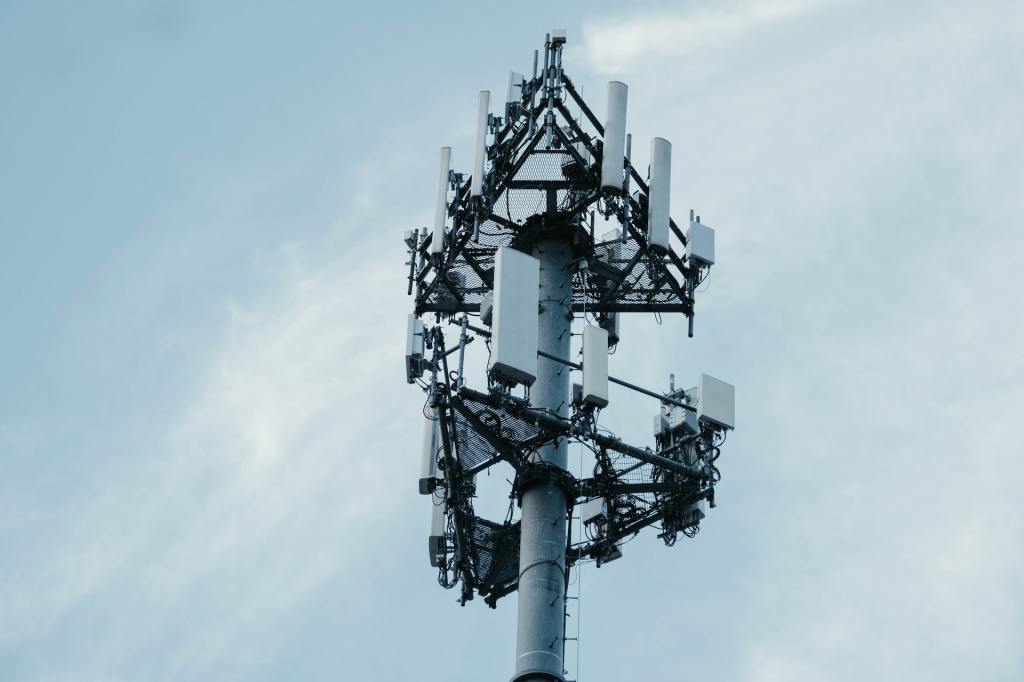
2. 5G networks will require more infrastructure, including more cell towers and small cells, which are smaller and more compact versions of cell towers that can be mounted on buildings and street lamps.
3. Some people have expressed concerns about the potential health effects of 5G technology, as the higher frequency bands used by 5G networks have not been used in widespread commercial applications before. However, the scientific consensus is that 5G technology is safe for human use.
4. 5G networks will also require new and advanced technologies, such as millimeter waves, beamforming, and massive MIMO, in order to deliver their full potential.
5. 5G networks are expected to bring about significant changes to the way we live and work, enabling new applications and services such as virtual reality, augmented reality, and the Internet of Things.
6. 5G networks will also have an impact on the environment, as they require more energy to run and generate more electronic waste than previous generations of cellular networks.
7. Some experts believe that 5G networks will eventually lead to the death of Wi-Fi, as the faster speeds and lower latency offered by 5G will make it the preferred choice for many users.
 Right Way Tech
Leave a comment